

Let me describe something and see if it sounds familiar.
You eat a meal, sometimes a meal you have eaten dozens of times before, and within an hour or two something shifts. A headache settles in behind your eyes. Your skin flushes or itches for no obvious reason. Your heart beats a little faster than it should. Your sinuses fill up. You feel bloated and uncomfortable in a way that does not make sense given what you just ate. And then, perhaps the most confusing part, the meal that triggered all of this was not junk food. It was wine, or aged cheese, or leftover chicken, or spinach. Foods that most people consider healthy.
You mention it to someone and they suggest it might be anxiety, or irritable bowel syndrome, or just a sensitive stomach. You accept one of those explanations because there does not seem to be another one available.
But there is another explanation. And for a significant number of people, it changes everything.
What Histamine Actually Is
Most people only encounter the word histamine in the context of allergies and antihistamine tablets. But histamine is not just an allergy molecule. It is a chemical messenger produced by your own cells that plays roles in immune function, digestion, neurotransmission, and the regulation of stomach acid.
Your body produces histamine and it also breaks it down through an enzyme called diamine oxidase, or DAO. Under normal circumstances, this system stays in balance. Histamine is produced and released as needed, DAO breaks down excess histamine efficiently, and you never notice any of it happening.
The problem arises when this balance tips. Either histamine is being produced or consumed in quantities that exceed what DAO can process, or DAO enzyme activity is insufficient to clear histamine at a normal rate, or both things are happening simultaneously. When histamine accumulates beyond what the body can manage, it triggers a cascade of symptoms that look remarkably like an allergic reaction but are not caused by an allergen in the traditional sense.
This is histamine intolerance. Not an allergy to histamine, but an inability to process it efficiently enough to prevent a buildup.
The Foods That Trigger It
This is where histamine intolerance gets complicated in a way that trips almost everyone up initially, including me.
Histamine does not just come from one type of food. It accumulates in foods through fermentation, aging, and bacterial activity. It is also triggered indirectly by foods that either contain other biogenic amines that compete with histamine for the same breakdown enzyme, or that stimulate the body’s own mast cells to release histamine directly.
Foods that are genuinely high in histamine include aged cheeses, particularly hard and long-aged varieties. Fermented foods, including the kefir and sauerkraut I have recommended in previous posts for gut health, are among the highest histamine foods in existence. Cured and processed meats. Alcohol, especially red wine, champagne, and beer. Fish that is not completely fresh, because bacterial activity on fish protein generates histamine rapidly after the fish dies. Leftover meat of any kind, because histamine continues to build as food sits in the fridge. Vinegar and anything made with it. Tomatoes, spinach, avocado, and aubergine contain either histamine or compounds that trigger its release.
I want to pause here because I know how confronting this list is. Several of these are foods commonly celebrated as healthy. And they are, for most people. The point is not that these foods are bad. The point is that for someone with impaired DAO function, they create a cumulative histamine load that the body cannot clear.

How DAO Gets Compromised
Understanding why DAO function becomes insufficient is, I think, more useful than just memorising a list of foods to avoid.
Gut inflammation and intestinal permeability are among the most significant factors. DAO is produced primarily by the cells lining the small intestine. When the gut lining is damaged or inflamed, DAO production drops. This creates a circular problem: a damaged gut produces less DAO, less DAO means more unprocessed histamine, and histamine itself promotes intestinal permeability and inflammation, further damaging the gut lining that produces DAO.
Certain medications block DAO activity directly. These include some antihistamines, ironically. Also metformin, certain antidepressants, NSAIDs like ibuprofen, and some antibiotics. If you are on any of these regularly and experiencing unexplained symptoms after eating, the interaction is worth discussing with your prescribing doctor.
Nutritional cofactors are needed for DAO to function. Vitamin B6, copper, and vitamin C are all required for DAO enzyme activity. Deficiency in any of these reduces the enzyme’s efficiency. This is one reason why histamine intolerance sometimes improves meaningfully with targeted nutritional support, not because supplements treat the intolerance directly, but because they restore the enzyme’s capacity to do its job.
Oestrogen stimulates mast cells to release histamine and simultaneously suppresses DAO production. This is why histamine intolerance disproportionately affects women, particularly in the week before menstruation when oestrogen peaks relative to progesterone, and during perimenopause when hormonal ratios become erratic. If your symptoms follow a cyclical pattern that correlates with your menstrual cycle, the oestrogen-histamine connection is worth understanding in more detail.
This is an area where working with a knowledgeable practitioner really matters. The symptom overlap between histamine intolerance, mast cell activation syndrome, and other conditions is significant enough that professional guidance helps avoid chasing the wrong explanations for a long time.
The Symptom Picture Is Wider Than Most People Expect
When I first read about histamine intolerance, I assumed it was primarily a digestive condition. The reality is considerably broader.
Histamine receptors are found throughout the body, in the gut, the skin, the cardiovascular system, the respiratory system, and the brain. When histamine accumulates systemically, the symptoms of histamine intolerance can appear in any of these areas, which is precisely why histamine intolerance is so frequently misdiagnosed or missed entirely.
The headaches and migraines triggered by red wine, aged cheese, or chocolate are among the most recognisable manifestations of histamine intolerance. But histamine intolerance also produces skin symptoms including flushing, hives, and eczema flares. It produces cardiovascular symptoms including heart palpitations and a drop in blood pressure that causes dizziness. It produces respiratory symptoms including nasal congestion and asthma-like symptoms. And it produces neurological symptoms including anxiety, brain fog, and insomnia, because histamine is also a neurotransmitter that promotes wakefulness and neural excitation.
Someone experiencing unexplained anxiety, chronic insomnia, regular headaches, flushed skin, and digestive discomfort might receive four or five different diagnoses and four or five different treatments, when the underlying thread connecting all of it is a single metabolic bottleneck.
What Helped Me
I want to be honest that identifying histamine intolerance as a contributing factor in my own health took longer than it should have, partly because the symptoms were scattered across different body systems and partly because the trigger foods included things I genuinely considered healthy.
The starting point was a low-histamine trial. Not permanent elimination, because the low-histamine diet is not meant to be a long-term solution. It is a diagnostic and recovery tool for histamine intolerance. For four weeks I removed the highest histamine foods and focused on fresh, simply prepared meals with low-histamine ingredients. Fresh meat cooked and eaten immediately. Fresh vegetables excluding the high-histamine ones. Grains. Fresh eggs. Certain fresh fruits.
Within about ten days the background headaches I had become accustomed to stopped. The afternoon flushing I had attributed to stress settled. The heart palpitations I had been monitoring for months became infrequent. None of these things disappeared dramatically overnight. They faded gradually in a way that made the connection undeniable in retrospect.

I also added a DAO enzyme supplement taken before meals containing higher histamine foods. These are available without prescription and essentially provide external DAO to support the breakdown of dietary histamine in the gut before it is absorbed. They are not a permanent fix, but as a bridge while gut healing occurs they are genuinely useful.
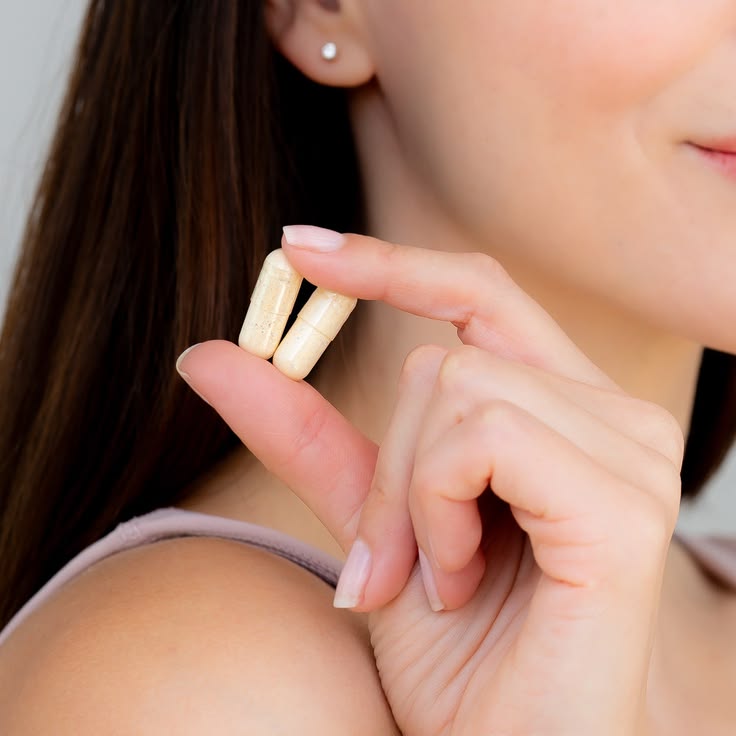
Supporting gut healing through the protocols I have written about previously, reducing inflammation, improving the microbiome with careful attention to avoiding high-histamine fermented foods during the recovery period, and addressing the nutritional cofactors for DAO function all formed part of the longer-term approach to managing histamine intolerance.
A Note on Reintroduction
Something worth knowing if you decide to try a low-histamine elimination is that the goal is not to stay on it indefinitely. Working with a knowledgeable practitioner can help you navigate reintroduction safely.
As gut health improves and DAO function recovers, many people find they can reintroduce higher histamine foods without symptoms of histamine intolerance returning, at least in moderate quantities. The diet is a healing intervention, not a permanent identity.
Histamine tolerance is also cumulative. You may tolerate a single glass of wine or a small amount of aged cheese perfectly well, but combining multiple high-histamine foods in one meal tips you over a threshold that each individual food would not reach alone. Understanding your personal threshold through careful reintroduction is more useful than blanket permanent avoidance.
The body is not trying to make your life difficult. It is working with what it has. Give it what it needs to work better and it usually does.
Have you ever had a reaction to food that nobody could explain properly? Red wine headaches, flushing after certain meals, mysterious hives that come and go?🤔I would love to hear your experience in the comments because histamine intolerance is one of those things that takes years to identify for most people, and sometimes reading about someone else’s pattern is what finally makes the connection click.
Leave a Reply