
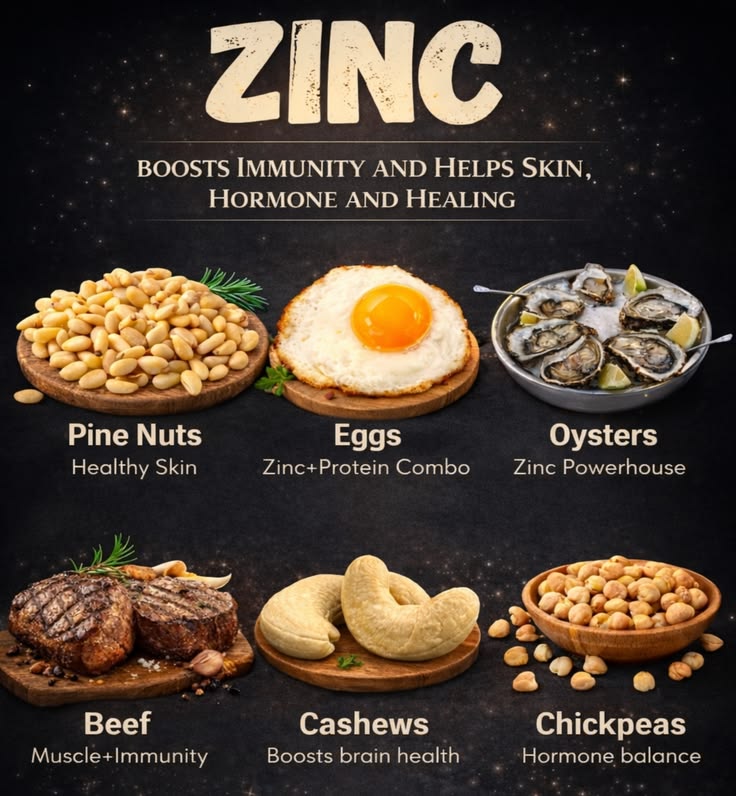
There is a particular kind of health decline that does not arrive with a clear announcement. Zinc deficiency is one of the most common nutritional problems behind it.
No single symptom that points an obvious finger. No dramatic moment where you know something has changed. Just a gradual accumulation of small things that individually seem explainable but collectively paint a picture of a body that is missing something it needs.
That was my experience with zinc deficiency. And when I finally understood what this mineral actually does inside the body, I was genuinely surprised that it does not get more attention.
What Zinc Actually Does: A Mineral Running Hundreds of Processes Simultaneously
Zinc is involved in over 300 enzymatic reactions in the human body. That number sounds abstract until you start mapping what those reactions actually govern.
Immune function. Wound healing. Protein synthesis. DNA replication. Cell division. Taste and smell perception. The production of stomach acid. The conversion of thyroid hormone from its inactive to active form. The synthesis of testosterone and other sex hormones. The regulation of insulin. The activity of superoxide dismutase, one of your body’s primary antioxidant enzymes. The production of neurotransmitters including serotonin and dopamine.
When zinc is adequate, all of these processes run efficiently in the background without drawing attention to themselves. When it is low, the effects distribute across so many systems simultaneously that the resulting symptom picture looks scattered and unrelated. This is precisely why zinc deficiency is so frequently missed by doctors and patients alike.
Your body has no dedicated zinc storage system the way it stores iron or fat-soluble vitamins. This means that a consistent daily supply from food or supplementation is genuinely necessary, and even short periods of inadequate intake start to show up in function before they show up on standard tests.

Warning Signs That Zinc Deficiency Is Running Low
I want to describe these carefully because individually they are easy to dismiss. These are the signs that zinc deficiency research consistently highlights.
Wounds that heal more slowly than they used to. Small cuts or skin abrasions that linger for longer than seems normal. Zinc is essential for the cellular proliferation and protein synthesis that drive wound repair, and this is often one of the earliest functional signs of insufficiency.
Frequent colds or infections, or infections that take longer than expected to resolve. Zinc is required for the development and function of virtually every type of immune cell. Natural killer cells, T-lymphocytes, neutrophils, all of them depend on zinc for their production and activity. The phrase immune boosting gets thrown around loosely in the wellness space, but zinc’s role in immune function is one of the most well-documented relationships in nutritional immunology.
White spots on the fingernails, sometimes called leukonychia, are commonly attributed to calcium deficiency but are more accurately associated with zinc and other mineral insufficiencies. They are not a definitive diagnostic sign, but they are worth noting alongside other symptoms.
A reduced sense of taste or smell, or food that tastes blander than it used to. Zinc is required for the production of gustin, a protein necessary for the development of taste buds. This symptom often goes unrecognised because it develops so gradually that the change feels like personal preference rather than biological change.
Skin that is slow to heal, prone to acne, or persistently dry and rough. Zinc regulates sebum production, supports the skin barrier, and has anti-inflammatory effects in skin tissue. Acne in particular has a well-documented association with zinc deficiency, and several clinical trials have found zinc supplementation comparable to certain antibiotic treatments for inflammatory acne, with fewer side effects.
Who Is Most at Risk of Zinc Deficiency
Zinc deficiency is not rare. The World Health Organisation estimates that zinc deficiency affects a significant proportion of the global population, including in developed countries where calories are abundant but nutrient density is often poor.
People following plant-based or vegan diets are at particular risk for a specific reason. The primary dietary sources of bioavailable zinc are animal foods: red meat, shellfish particularly oysters which contain more zinc per gram than almost any other food, poultry, and dairy. Plant foods do contain zinc, but they also contain phytates, compounds found in grains, legumes, and seeds that bind to zinc in the digestive tract and significantly reduce its absorption.
This does not mean plant-based diets cannot support adequate zinc intake, but it does mean that people eating this way need to be more deliberate about it. Soaking and sprouting legumes and grains reduces their phytate content meaningfully. Eating fermented grain products like sourdough rather than regular bread improves zinc bioavailability. And for many people, supplementation is a practical solution worth considering.
Older adults absorb zinc less efficiently due to reduced stomach acid production with age. Stomach acid is required to liberate zinc from food compounds before it can be absorbed. The same issue affects anyone taking proton pump inhibitors or H2 blockers long-term.
People under chronic stress lose zinc at an accelerated rate through urine, in a pattern similar to magnesium loss described in nutritional medicine. Athletes and people who sweat heavily also lose meaningful quantities through sweat.
If you recognise yourself in several of these risk categories, a discussion with your doctor about testing zinc status is a reasonable first step. Zinc testing through serum levels is imperfect, as serum zinc does not reliably reflect cellular zinc status, but it provides a useful starting point alongside a dietary assessment. Please also read the Medical Disclaimer on this site before making any changes to your health routine.
Zinc Deficiency and the Brain: A Surprising Connection
This connection genuinely surprised me when I first encountered the research, and I think it deserves its own space in this conversation.
The hippocampus, the brain region most associated with memory formation and emotional regulation, has the highest concentration of zinc in the entire brain. Zinc modulates the activity of NMDA receptors, the same receptors involved in learning, memory consolidation, and neurological excitability.
Low zinc has been associated in the research literature with increased symptoms of depression and anxiety. Several intervention studies have found that zinc supplementation, either alone or alongside antidepressant treatment, produces meaningful improvements in mood outcomes compared to placebo. The proposed mechanism involves zinc’s role in neurogenesis, the production of new neurons in the hippocampus, a process that is impaired in zinc deficiency and supported by adequate zinc status.
I am not suggesting zinc as a treatment for clinical depression. I am suggesting that the nutritional environment of the brain matters more than we typically acknowledge in mental health conversations, and zinc is one of the most important minerals in that environment.
The Zinc and Copper Balance: What You Need to Know
Zinc and copper share absorption pathways in the gut. When zinc intake is very high, copper absorption is suppressed, and vice versa. This competition is important to understand because both deficiency and excess of either mineral create problems.
Long-term high-dose zinc supplementation without attention to copper intake can produce copper deficiency, which has its own serious consequences including neurological effects and anaemia. This is not a reason to avoid zinc supplementation, but it is a reason to be thoughtful about dosage and duration.
The general guidance for supplementation is that doses up to around 25 to 40mg daily for therapeutic periods are considered safe for most healthy adults, and that long-term supplementation above 25mg should be accompanied by a small amount of dietary or supplemental copper to maintain the balance. A ratio of approximately 10 to 15 parts zinc to 1 part copper is what appears in much of the functional medicine literature.
For most people eating a varied diet, a supplemental dose of 15 to 25mg of zinc per day is sufficient to address zinc deficiency without creating a copper imbalance. Zinc bisglycinate and zinc picolinate are the forms with the best absorption and tolerability in my experience and based on the available research. Zinc oxide, commonly found in cheaper supplements, has poor bioavailability and is worth avoiding.

What I Changed and What Genuinely Shifted
I added zinc bisglycinate at 25mg daily for about three months during a period when I was under significant stress, eating somewhat erratically, and noticing several of the signs I described earlier in this article.
The first thing I noticed, within about two to three weeks, was that a patch of skin on my jawline that had been intermittently inflamed for months settled down and stayed settled. The second thing was that a cold I picked up during that period resolved in about four days, which was considerably faster than the ten to fourteen day ordeals I had been having with respiratory infections in the preceding year.

The changes in mood and cognitive clarity were harder to attribute with certainty because I was making other changes simultaneously. But the overall trajectory during those three months was meaningfully better than the preceding period, and zinc was the most significant nutritional addition I had made.
I now maintain a lower ongoing dose of around 15mg from food and a smaller supplement, with periodic higher-dose periods when I feel the immune or skin signs returning.
I am curious whether any of the signs I described at the start of this article resonated with you in a way you had not connected to nutrition before. The slow wound healing one tends to surprise people most. You can learn more about my background and approach on the About Ben page. Drop a comment below and let me know which one made you pause.🤔😊
Leave a Reply