
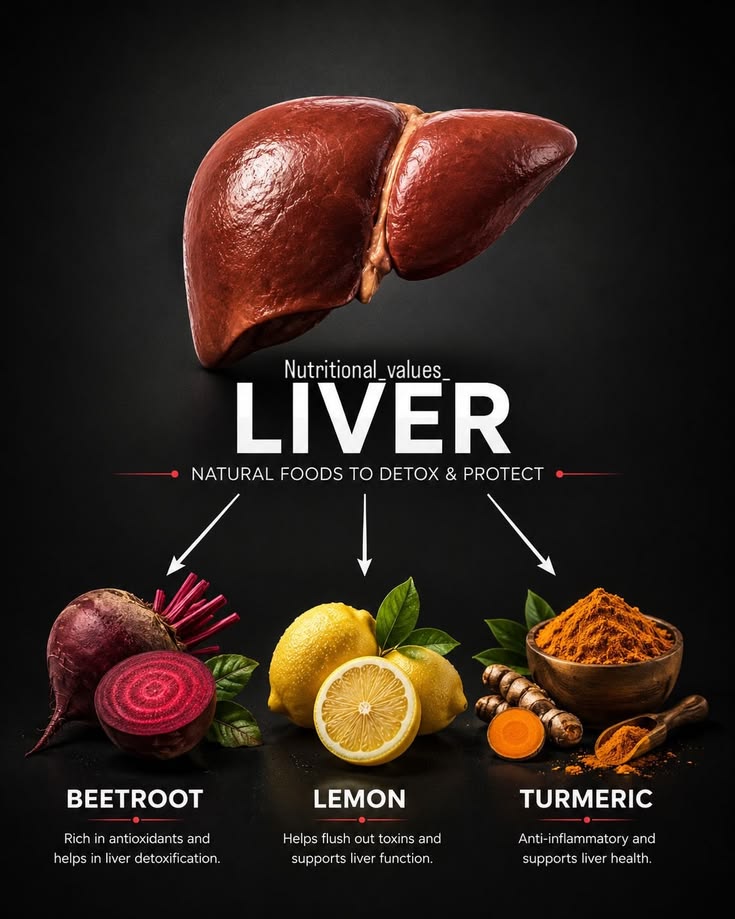
The term liver detox is everywhere right now, and it is selling billions of pounds worth of products that your liver does not need.
Detox teas. Detox juices. Detox programmes that cost more than a month of groceries, all promising to flush out everything your body has accumulated from years of imperfect living.
I want to talk honestly about this. The detox industry is built on a fundamental misunderstanding of how the liver actually works. That misunderstanding is costing people money, sometimes their health, and almost always the opportunity to do something genuinely useful for one of the most important organs in the body.
Your liver does not need a detox product. It needs specific nutritional support to do the remarkable job it is already designed to do. Those are two completely different things, and understanding the difference is the first step toward real liver health support.
What Your Liver Is Already Doing for You Right Now
While you are reading this, your liver is performing over 500 distinct functions simultaneously. It is one of the most metabolically active organs in the body, and it has been doing this work every moment since before you were born.
It is filtering your entire blood supply, approximately 1.5 litres per minute, removing bacteria, worn-out red blood cells, and metabolic waste products. It produces bile, the substance that allows your digestive system to break down and absorb dietary fats and fat-soluble vitamins. It synthesises the proteins your blood needs to clot properly when you are injured. It converts thyroid hormone from its inactive T4 form into the active T3 form that your cells can use. It regulates blood glucose by storing excess glucose as glycogen and releasing it when blood sugar drops.
The liver also metabolises hormones including oestrogen, cortisol, and insulin, breaking them down and preparing them for excretion once they have done their job. And it runs the two-phase detoxification process that the detox industry has borrowed the language of, while largely misunderstanding the mechanism.
Phase one liver detoxification uses a family of enzymes called cytochrome P450 to chemically transform fat-soluble toxins, including environmental chemicals, medications, alcohol, and metabolic byproducts, into intermediate compounds. Phase two then attaches molecules to these intermediates to make them water-soluble, so they can be excreted through bile into the digestive tract or through the kidneys into urine.
Here is the critical detail that the detox industry rarely mentions. The intermediate compounds produced in phase one are often more chemically reactive and potentially more harmful than the original toxins. Phase two must keep pace with phase one to process these intermediates promptly. When phase two is sluggish relative to phase one, these reactive intermediates can accumulate and cause oxidative damage to liver cells.
No detox tea addresses this. No juice cleanse speeds up phase two. What does support phase two are specific nutrients that the enzymes in that pathway require to function, and those nutrients come from food and, in some cases, targeted supplementation.
What Actually Burdens Your Liver
Before discussing nutritional support, it is worth being honest about burden. Reducing what the liver has to process is at least as important as supporting the processing itself.
Alcohol is the most obvious and most significant liver burden for many people. The liver prioritises alcohol metabolism above almost everything else, meaning that when alcohol is present, other detoxification processes are deprioritised. Chronic alcohol consumption damages liver cells directly through the toxic byproducts of its metabolism, particularly acetaldehyde, and promotes the fat accumulation in liver cells that characterises alcoholic fatty liver disease.
Fructose, specifically the concentrated fructose found in high-fructose corn syrup and large quantities of fruit juice, is metabolised almost exclusively in the liver. This process resembles alcohol metabolism more closely than glucose metabolism. Excess fructose promotes fat accumulation in liver cells and is a primary driver of non-alcoholic fatty liver disease (NAFLD), which has become one of the most prevalent liver conditions globally, affecting people who drink little or no alcohol.
Medication burden is significant and frequently underestimated. Every medication that enters your body must be processed by the liver. Paracetamol is one of the most common causes of acute liver failure when taken in excess, partly because its metabolism generates a highly reactive intermediate that depletes glutathione, one of the liver’s primary antioxidant defences. Taking paracetamol alongside alcohol, even at doses that would be safe individually, significantly amplifies this risk.
Environmental chemical exposure, through pesticide residues on food, plastics, cleaning products, personal care products, and air pollution, adds to the cumulative detoxification burden the liver carries. Reducing unnecessary chemical exposure is a legitimate and practical way to reduce the workload on a system with finite capacity.
Key Nutrients That Support Liver Detoxification
This is where I want to be specific, because vague encouragement to eat well is not particularly useful. The liver has well-documented nutritional requirements, and meeting them is the most evidence-based approach to supporting liver function available to most people.
Glutathione is the liver’s master antioxidant and the most important molecule in phase two detoxification. It directly neutralises reactive intermediates from phase one and protects liver cells from oxidative damage. The liver produces its own glutathione, but production requires three amino acids: glycine, glutamine, and cysteine. Cysteine is the limiting factor for most people, which is why N-acetyl cysteine (NAC), a cysteine supplement, is one of the most evidence-backed interventions for liver support. NAC is used medically as the antidote for paracetamol overdose precisely because it rapidly restores glutathione levels. Research published in journals including Frontiers in Pharmacology has documented its hepatoprotective effects.
Foods that support glutathione production include eggs, which are rich in sulphur-containing amino acids, and cruciferous vegetables including broccoli, cauliflower, Brussels sprouts, and cabbage, which contain compounds that upregulate glutathione synthesis. Whey protein is also a concentrated source of cysteine precursors.

Milk thistle, specifically its active compound silymarin, has more clinical evidence supporting its use in liver health than almost any other botanical. Silymarin acts as an antioxidant in liver tissue, reduces inflammation, and has shown hepatoprotective effects in clinical studies involving liver damage from various causes. A review in the American Journal of Gastroenterology summarises the current evidence base. It is not a commercial detox product. It is a specific botanical with documented mechanisms of action in liver tissue.
B vitamins, particularly B2, B3, B6, B9, and B12, are essential cofactors for phase two detoxification enzymes. Methylation, one of the primary phase two conjugation reactions, requires folate and B12 specifically. People with the MTHFR genetic variant, which impairs folate metabolism, may have reduced methylation capacity and consequently reduced phase two efficiency.
Choline is essential for fat transport out of the liver. Without adequate choline, fat accumulates in liver cells rather than being packaged and transported into the bloodstream. Eggs are the richest dietary source of choline. The decades-long shift away from egg consumption, based on concerns about dietary cholesterol, may have inadvertently contributed to choline insufficiency in some populations.
Sulphur compounds from garlic, onions, and cruciferous vegetables support multiple liver detoxification pathways and provide the raw materials for glutathione synthesis. These are not supplements. They are everyday foods, and their absence from the diet is a meaningful gap in liver nutritional support.
The Bile Connection and Why It Matters for Liver Health
Bile is produced by the liver and stored in the gallbladder. Its primary function is to emulsify dietary fats so they can be absorbed. But bile is also the primary exit route for many of the fat-soluble toxins and waste products that the liver has processed through its detoxification pathways. This makes bile flow a key, and often overlooked, component of effective liver detox support.
When bile flow is sluggish, these waste products do not exit efficiently. They can be reabsorbed from the digestive tract rather than eliminated, returning to circulation and requiring the liver to process them again. This cycle creates an unnecessary and avoidable burden on the liver.
Bitter foods stimulate bile production and flow. Rocket, radicchio, dandelion greens, artichoke, and coffee all have bitter compounds that promote bile secretion. This is one of the legitimate mechanisms behind the traditional wisdom of starting a meal with bitter foods. Artichoke extract has a reasonable evidence base for supporting liver and gallbladder function, with studies documented by the NHS and other bodies reviewing liver health.
Adequate dietary fat is also required to stimulate gallbladder contraction and bile release. Very low fat diets can reduce bile flow and promote gallstone formation. This is one reason that the move toward low-fat eating over recent decades correlated with increased rates of gallbladder problems in some populations.
Fibre binds to bile in the digestive tract and carries it out of the body, preventing reabsorption. This is one of the underappreciated mechanisms through which high-fibre diets support both liver health and hormonal balance. Hormones like oestrogen that the liver has packaged for excretion in bile are removed from the body when fibre intake is adequate, reducing the risk of recirculation.
Signs Your Liver May Need More Nutritional Support
I want to be careful here because liver symptoms can overlap with many other conditions, and some liver problems have no early symptoms at all. The patterns below are ones that functional practitioners often associate with suboptimal liver function. They are not diagnostic criteria for liver disease, and they should not be used as a substitute for medical evaluation. Please read the Medical Disclaimer for important context on how to use the information in this post.
Difficulty processing fatty foods, or feeling nauseous after rich meals, may suggest sluggish bile production or gallbladder function. Hormonal imbalances, particularly oestrogen dominance in women with heavy periods, breast tenderness, or mood changes in the week before menstruation, can reflect impaired oestrogen clearance by the liver. Chemical sensitivity, reacting strongly to perfumes, cleaning products, or medications at doses that do not affect others, may suggest reduced detoxification capacity.
Persistent fatigue combined with a feeling of heaviness, particularly in the right upper abdomen, warrants medical evaluation rather than nutritional self-management alone. Elevated liver enzymes on a blood test, even mildly elevated, are worth taking seriously and investigating with a doctor.
What I Changed to Support My Liver Health
I reduced alcohol significantly. This was the single most impactful change I made for liver health. Not because I was drinking heavily by any social standard, but because even moderate regular alcohol consumption represents a meaningful and continuous burden on the liver’s processing capacity. If you want to know more about my background and approach to nutritional recommendations, you can read the About Ben page.
I increased my egg consumption specifically for choline, eating two to three eggs most mornings. I added cruciferous vegetables more consistently across the week, aiming for at least one serving per day. And I added milk thistle during a period of higher medication use, when my liver burden was elevated.
The changes that were most noticeable were in energy and in how I felt after meals. The post-meal heaviness that I had come to consider normal after certain foods became less pronounced over about six weeks.
I want to be honest that these are observational rather than controlled changes. But the mechanisms are real, the nutritional requirements of the liver are well documented, and the dietary changes I have described carry no meaningful downside for the vast majority of people.
The detox industry is not going to tell you that your liver has been detoxing continuously since the day you were born, and that what it needs from you is not a special product but specific nutrients and a reduced burden. That is less profitable than a 21-day cleanse. But it is considerably more true.
If you have any concerns about your liver health, including elevated enzymes, a known liver condition, or symptoms that concern you, please work with a doctor rather than relying on nutritional approaches alone. The liver is too important to self-manage without professional guidance when genuine problems are present. See the full Medical Disclaimer for further detail.


Leave a Reply