
I used to think I had a sweet tooth problem..
Every single afternoon, around 2 PM, something in my body would send an almost desperate signal to find something sweet. Chocolate. Biscuits. Anything with sugar in it. I would give in, feel a short burst of energy, then crash harder than before.
It took me a while to understand that this was not a willpower failure. It was biology. My body was sending a very specific distress signal, and I was answering it with the wrong solution.
Once I understood what was actually happening inside my body during that afternoon window, everything changed. I stopped craving sugar not by resisting it, but by giving my body what it was actually asking for.
Here is what I learned.
What Is Really Happening When You Crave Sugar in the Afternoon?
Your blood sugar does not stay flat throughout the day. It rises and falls based on what you eat, when you eat, and how your nervous system is responding to stress.
By mid-afternoon, most people experience what researchers call a postprandial dip. This is a natural drop in alertness and blood glucose that happens a few hours after lunch. Your body interprets this drop as an energy emergency and sends out a craving for the fastest fuel source it knows: simple sugar.
Here is the problem. When you eat sugar during this dip, your blood glucose spikes sharply and then crashes even harder than before. This creates a cycle where your cravings keep returning stronger each day.
The fix is not to eat less sugar. The fix is to stabilize the dip so your body stops panicking in the first place.
The Role of Cortisol in Afternoon Sugar Cravings
Most people do not connect their sugar cravings to their stress hormone, but the link is very real.
Cortisol follows a natural daily rhythm. It peaks in the morning to help you wake up and gradually declines through the day. By mid-afternoon, cortisol levels are already low. When they drop too far, your body uses sugar cravings as a backup mechanism to raise blood glucose quickly, because glucose is what cortisol normally helps manage. If you’re managing stress or want to lower your stress, stable cortisol rhythms become even more important for managing afternoon cravings.
If you have been under a lot of stress lately, your cortisol rhythm gets disrupted. This makes the afternoon crash feel even more dramatic, and the cravings become harder to ignore.
This is why people under pressure tend to reach for snacks more often. It is not emotional eating in the way we usually describe it. It is a physiological response to a cortisol pattern that has gone off rhythm.
5 Foods That Kill Afternoon Sugar Cravings at the Root
These are not just healthy snack ideas. Each one works on a specific biological mechanism that causes the afternoon craving in the first place.
1. Chromium-Rich Foods (The Blood Sugar Stabilizer)

Chromium is a trace mineral that most people have never heard of, but it plays a central role in how your body processes glucose. It works by enhancing the activity of insulin, the hormone that moves sugar from your bloodstream into your cells.
When chromium is low, insulin becomes less efficient. Blood sugar swings become more dramatic, and cravings become more intense.
Foods naturally rich in chromium include:
- Broccoli (one of the highest dietary sources)
- Eggs
- Oats
- Sweet potato
- Whole grain bread
My protocol: I started adding half a cup of steamed broccoli to my lunch every day. Within about two weeks, I noticed the 2 PM craving had become noticeably quieter. It was not gone, but it was manageable instead of urgent.
2. Cinnamon (Nature’s Insulin Sensitizer)
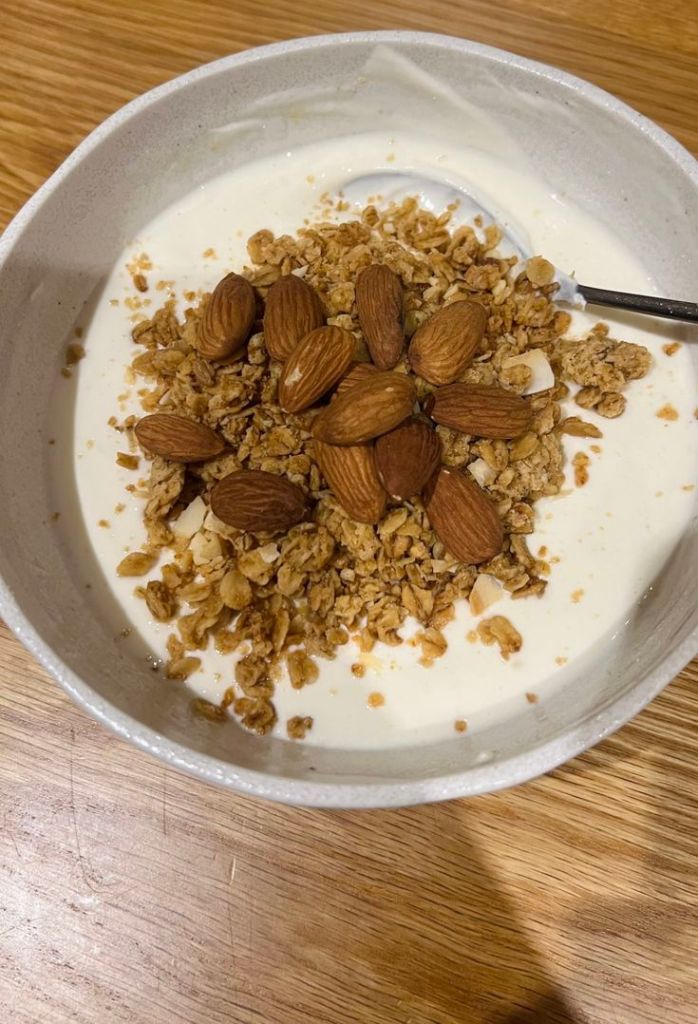
Cinnamon is one of the most well-researched foods for blood sugar regulation. A compound in cinnamon called methylhydroxychalcone polymer (MHCP) mimics insulin in the body and helps cells absorb glucose more efficiently.
Multiple studies have shown that consuming half a teaspoon of cinnamon with a meal can reduce the post-meal blood sugar spike by a meaningful amount.
I add it to my morning oats, stir it into herbal tea, or mix it into a small bowl of Greek yogurt in the afternoon. It has a naturally sweet taste, which also tricks your palate into feeling satisfied without actual sugar.
3. Protein at Lunch (The Craving Preventor)
This one sounds simple, but most people genuinely underestimate how much protein they need at lunch to prevent afternoon cravings.
Protein digests slowly and stimulates the release of peptide YY and GLP-1, two hormones that signal fullness to the brain. When these hormones are active, your brain does not send out hunger or craving signals as aggressively.
A lunch that is mostly carbohydrates, even complex ones, will still cause a faster blood sugar drop than a lunch that includes a solid portion of protein.
What I do: My standard lunch now includes at least 30 grams of protein. That looks like two eggs plus a tin of sardines, or a large chicken breast with vegetables. It took some adjustment, but I rarely hit a hard wall in the afternoon anymore.
4. Raw Nuts (The Slow Burn Snack)
If you need something in the afternoon, raw nuts are one of the most effective options for a very specific reason. They combine healthy fats, protein, and fiber in a package that digests extremely slowly.
This slow digestion prevents any spike in blood glucose. Instead of a burst of energy followed by a crash, you get a flat, steady trickle of fuel that your brain can use without drama.
Almonds in particular contain magnesium, a mineral that plays a direct role in insulin sensitivity. Low magnesium is associated with higher rates of blood sugar dysregulation and, consequently, stronger sugar cravings.
A small handful (about 20 to 25 grams) is all you need. Eating more than that in one sitting can sometimes feel heavy, so I keep the portion modest.
5. Fermented Foods (The Gut-Craving Connection)

This one surprised me more than any other.
Research from the past decade has revealed a strong connection between the gut bacteria and food cravings. Certain bacteria in your gut actually produce signals that travel to the brain and influence what you want to eat. An imbalanced gut, with too many sugar-feeding bacteria, can generate cravings independently of your blood sugar levels.
Fermented foods like plain kefir, kimchi, sauerkraut, and miso feed the beneficial bacteria that help regulate this process. Over time, a healthier microbiome changes the composition of signals reaching your brain, and the intensity of sugar cravings can genuinely decrease.
I started having 100ml of plain kefir with my lunch every day. The change was gradual, but after about a month I noticed my afternoon cravings had shifted from feeling urgent to feeling optional.
Quick Reference: What to Reach For Based on How You Feel
| If You Are Feeling… | Best Food to Reach For | Why It Works |
|---|---|---|
| Sharp, sudden sugar craving | A handful of raw almonds | Magnesium + slow-burn fat and protein |
| Foggy and low energy | Broccoli with eggs at lunch | Chromium stabilizes blood glucose |
| Anxious and wired | Plain kefir | Gut bacteria influence stress signals |
| Sweet taste craving | Greek yogurt with cinnamon | MHCP mimics insulin, satisfies palate |
| Heavy and sluggish | Light protein meal + water | Reduces post-meal glucose crash |
One Habit That Changed Everything for Me
Beyond the individual foods, the single biggest shift I made was eating lunch at a consistent time every day. This simple practice also helps prevent somatic shaking and other stress responses that can trigger cravings.
Your body runs on a circadian rhythm that governs digestion as much as sleep. When you eat at irregular times, your blood sugar regulation becomes unpredictable because your digestive hormones are not primed and ready.
I now eat lunch at 12:30 PM every day without exception. Within about three weeks of doing this consistently, my afternoon energy became far more stable than it had ever been with any supplement or dietary tweak.
Consistency, it turns out, is its own kind of medicine.
Final Thoughts
Afternoon sugar cravings are not a character flaw. They are a signal from your body that something in your blood sugar regulation, cortisol rhythm, or gut environment needs attention.
Instead of fighting the craving with willpower, try listening to what it is actually asking for. Most of the time, it is asking for stable fuel, adequate protein, or a calmer nervous system, not another biscuit.
Start with one change this week. Add cinnamon to your lunch. Eat a handful of almonds at 2 PM. Have kefir with your midday meal. Small, consistent shifts add up faster than any dramatic overhaul.
Your afternoon self will notice the difference within days.😅
Have you tried any of these foods for managing energy or cravings? Drop a comment below and let me know what has worked for you.
Leave a Reply