
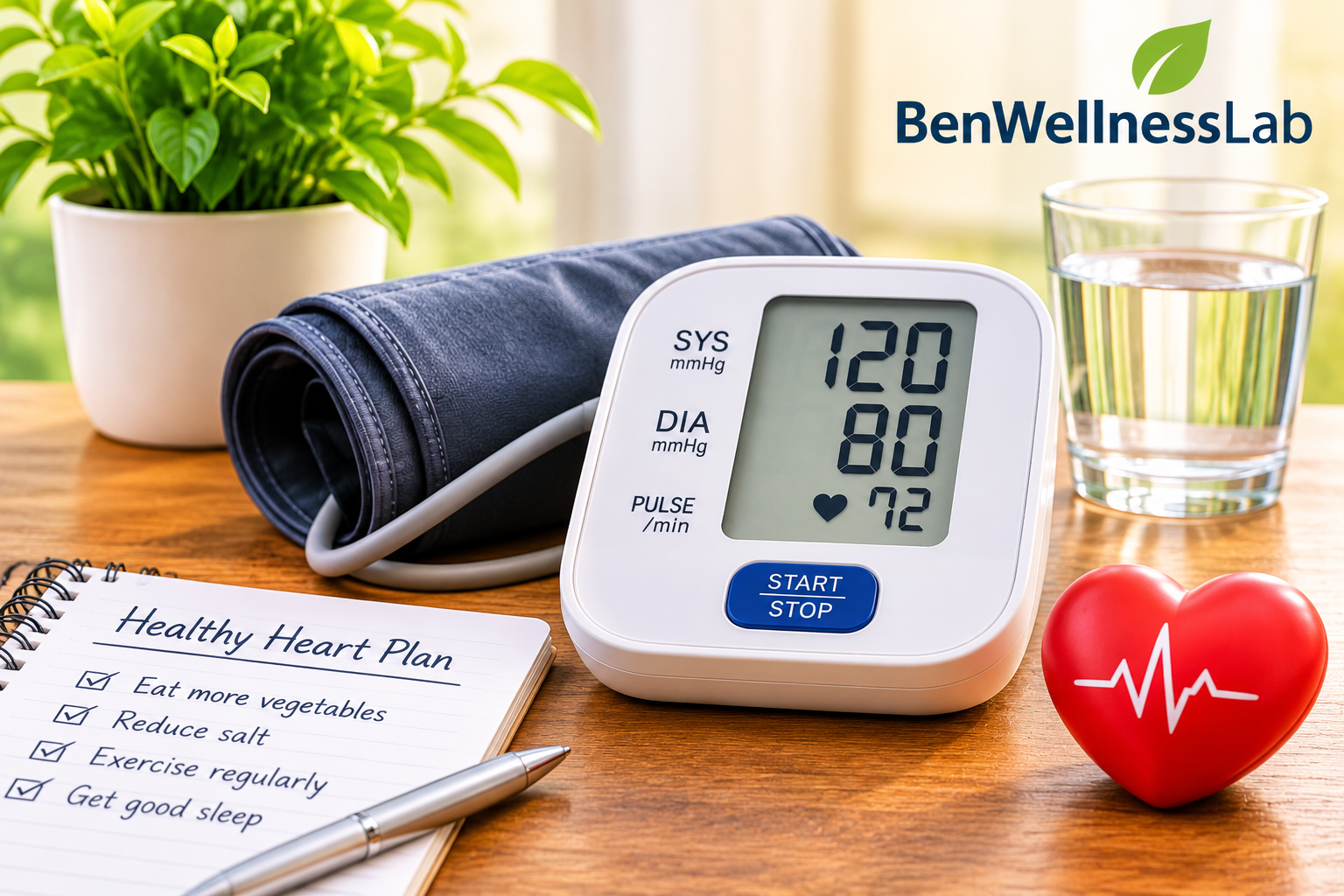
Imagine feeling perfectly well, going about your usual routine, sleeping normally and having enough energy to get through the day. Nothing seems unusual. Then, during a routine health check, a blood pressure reading comes back higher than expected.
For many people, that is how hypertension is discovered.
High blood pressure is unusual because it can develop and persist without causing noticeable discomfort. There may be no headache, no dizziness and no obvious warning that something is wrong. Meanwhile, the heart, blood vessels, kidneys and other organs may be exposed to pressure that is higher than they should have to handle.
This silent nature is one reason hypertension deserves more attention than it often receives. According to the World Health Organization (WHO), an estimated 1.4 billion adults aged 30 to 79 were living with hypertension in 2024. Around 44% of them were unaware they had it.
Understanding why high blood pressure can remain hidden is an important first step towards detecting it early.
High Blood Pressure Does Not Always Feel Like an Illness
Most health problems eventually produce something that makes us stop and pay attention. A persistent cough, unusual pain, fever or change in appetite may encourage someone to seek medical advice.
Hypertension does not necessarily work that way.
Blood pressure is the force of blood pushing against the walls of the arteries as the heart pumps. It naturally rises and falls throughout the day. Physical activity, stress, sleep, caffeine and even the process of rushing to an appointment can temporarily affect a reading.
The concern is not an occasional increase. It is blood pressure that remains consistently higher than the healthy range.
Over time, excessive pressure can strain artery walls and make the cardiovascular system work harder. The body can adapt to gradual changes without producing an obvious sensation. That is why someone can have hypertension for months or years without recognising it.
The Centers for Disease Control and Prevention (CDC) makes an important point: measuring blood pressure is the only way to know whether it is high. Feeling well is not evidence that blood pressure is normal.
What the Two Blood Pressure Numbers Actually Tell You

A blood pressure reading usually looks something like this:
120/80 mmHg
It contains two measurements, and each tells a different part of the story.
- Systolic pressure (the top number): This measures the pressure in the arteries when the heart contracts and pumps blood.
- Diastolic pressure (the bottom number): This measures the pressure in the arteries while the heart relaxes between beats.
Both numbers matter. A person can have an elevated systolic reading, an elevated diastolic reading or both.
Blood pressure is measured in millimetres of mercury, written as mmHg.
Understanding common blood pressure ranges
The following categories reflect the American classification used in the 2025 AHA/ACC guideline. Other health systems may use different diagnostic thresholds.
| Category | Systolic (top) | Diastolic (bottom) |
|---|---|---|
| Normal | Below 120 | Below 80 |
| Elevated | 120–129 | Below 80 |
| Stage 1 hypertension | 130–139 | 80–89 |
| Stage 2 hypertension | 140 or higher | 90 or higher |
A reading can fall into a higher category if either number reaches that range. For example, 145/76 is not considered normal simply because the lower number is below 80.
These categories are not a diagnosis based on one isolated measurement. A healthcare professional considers repeated readings, the measurement setting and the person’s overall health.
There are also differences between international guidelines. WHO generally defines hypertension in adults as blood pressure of 140/90 mmHg or higher, confirmed through measurements on two different days. The 2025 AHA/ACC guideline uses a lower threshold for identifying high blood pressure in its classification system.
This difference matters when reading health information online. A number described as stage 1 hypertension in one guideline may not meet the diagnostic threshold used by another health authority.
Why Can Someone Have Hypertension Without Any Symptoms??
The answer lies partly in how the body responds to gradual changes.
When blood pressure rises slowly, the body does not necessarily produce an immediate warning signal. Unlike an injury that causes pain or an infection that triggers a fever, hypertension can affect blood vessels over time without creating a sensation that a person can identify.
There are several reasons this condition is easily missed.
1. Blood pressure can rise gradually
A sudden, dramatic change in blood pressure may be associated with serious symptoms, depending on the circumstances. However, many people develop hypertension gradually.
Because the change is not necessarily accompanied by pain or discomfort, it can become part of someone’s normal routine without being noticed.
A person may continue working, exercising, cooking and sleeping as usual while their readings remain elevated…
2. Early damage does not always cause pain
Arteries are not designed to operate indefinitely under excessive pressure.
Persistent hypertension can contribute to changes in the blood vessel walls, making them less flexible and increasing the workload placed on the heart. It can also damage small blood vessels that supply organs such as the kidneys and eyes.
These changes may develop before a person notices any physical symptoms.
3. Occasional symptoms are easy to misinterpret
Headaches, fatigue, dizziness and difficulty concentrating can have many possible causes.
People sometimes associate these experiences with high blood pressure, but they are not reliable ways to identify hypertension. Someone can experience headaches with normal blood pressure, while another person with significantly elevated readings may feel completely fine.
Waiting for a headache or another symptom before arranging a blood pressure check is therefore not a dependable approach.
What May Be Happening Inside the Body?
The absence of symptoms should not be confused with the absence of risk.
Blood vessels are responsible for delivering oxygen and nutrients throughout the body. When pressure remains too high, the cardiovascular system has to work against greater resistance.
Over time, this can affect several organs.
The heart: The heart may have to pump harder to move blood through the arteries. Persistent pressure can cause the heart muscle to thicken and may increase the risk of heart failure, heart attack and other cardiovascular problems.
The brain: Hypertension is a major risk factor for stroke. Damage to blood vessels can also contribute to problems affecting the brain’s blood supply.
The kidneys: The kidneys contain delicate blood vessels that help filter waste and excess fluid from the blood. High blood pressure can damage these vessels, reducing kidney function. Kidney disease can also make blood pressure more difficult to control.
The eyes: High pressure can damage the small blood vessels in the retina, the light-sensitive tissue at the back of the eye. This is known as hypertensive retinopathy.
The relationship can become a cycle. Kidney damage may contribute to higher blood pressure, while uncontrolled blood pressure can cause further kidney damage.
This is one reason early detection matters even when someone feels healthy.
Risk Factors That Can Make High Blood Pressure More Likely
Hypertension does not have one single cause. A combination of inherited characteristics, health conditions and everyday exposures can influence a person’s risk.
Some factors cannot be changed, but others can be addressed.
Family history and age
Having close relatives with hypertension can increase the likelihood of developing it. Age is another important factor because blood vessels tend to become less flexible over time.
However, high blood pressure is not exclusively a condition of older adults. Younger adults can develop it too, particularly when several risk factors occur together.
High sodium intake
Sodium helps regulate fluid balance, but consistently consuming too much can contribute to raised blood pressure in many people.
A significant amount of sodium comes from foods that do not necessarily taste very salty. Packaged meals, processed meats, instant foods, sauces, seasoning mixes and restaurant meals can all contribute.
The WHO recommends that adults consume less than 2,000 mg of sodium per day, equivalent to less than 5 g of salt.
Reducing sodium does not mean removing all salt from food. It means paying attention to the total amount consumed across the day.
Physical inactivity
Regular movement supports cardiovascular health. A largely sedentary routine, particularly when combined with other risk factors, can make blood pressure management more difficult.
Exercise does not have to involve intense workouts. Walking, cycling, swimming, dancing and other activities that raise the heart rate can contribute to better cardiovascular fitness.
Excess body weight
Carrying excess body weight can increase the workload on the heart and is associated with a higher likelihood of hypertension.
Weight is only one part of the picture, however. People at different body sizes can develop high blood pressure, so appearance alone cannot determine someone’s risk.
Alcohol and tobacco
Regular heavy alcohol consumption can raise blood pressure. Tobacco use also harms blood vessels and increases cardiovascular risk.
Reducing alcohol intake and avoiding tobacco are important steps towards protecting long-term heart and blood vessel health.
Other health conditions and medications
Diabetes, chronic kidney disease and sleep apnoea are among the conditions associated with hypertension.
Some medicines can also affect blood pressure. These may include certain anti-inflammatory pain relievers, decongestants, hormonal medications and other prescription treatments.
Do not stop a prescribed medicine because you suspect it is affecting your blood pressure. Ask a healthcare professional whether an alternative or adjustment is appropriate.
The Hidden Problem of White-Coat and Masked Hypertension
A blood pressure reading taken in a clinic does not always reflect what happens throughout the rest of the day.
Two patterns can make hypertension harder to identify.
White-coat hypertension occurs when a person’s blood pressure is higher in a medical setting than it usually is outside the clinic. Nervousness or stress during an appointment may contribute to the increase.
Masked hypertension is almost the opposite. A person’s clinic reading appears normal, but their blood pressure is elevated at home, at work or during ordinary daily activities.
Masked hypertension is particularly important because someone may be reassured by a normal clinic reading even though their usual blood pressure is higher.
This is one reason healthcare professionals may recommend ambulatory or home blood pressure monitoring.
The National Institute for Health and Care Excellence (NICE) recommends confirming many suspected cases with ambulatory blood pressure monitoring. This involves wearing a monitor that records readings at regular intervals over a period of time. Home monitoring may be used when ambulatory monitoring is unsuitable.
How to Check Your Blood Pressure Properly at Home

Home monitoring can provide useful information, but the quality of the measurement matters.
An incorrectly positioned cuff or taking a reading immediately after climbing stairs can produce a result that does not accurately reflect resting blood pressure.
For more reliable measurements:
- Choose a validated automatic monitor with an upper-arm cuff. Make sure the cuff fits your arm properly.
- Avoid smoking, caffeine and exercise for at least 30 minutes before measuring.
- Empty your bladder if needed.
- Sit quietly for at least five minutes before taking a reading.
- Keep your back supported and your feet flat on the floor.
- Rest your arm on a table so that the cuff is roughly level with your heart.
- Place the cuff on bare skin rather than over clothing.
- Take two readings, about one minute apart, and record both.
Try to measure at consistent times and follow the schedule recommended by your healthcare professional. A series of readings is generally more useful than relying on one result.
The CDC’s home measurement guidance provides additional advice on recording readings and using home monitoring as part of blood pressure care.
A smartwatch or fitness tracker may offer useful health information, but do not assume that a device without a proper blood pressure cuff can reliably diagnose hypertension. The 2025 AHA/ACC guideline advises against relying on cuffless devices, including smartwatches, for accurate blood pressure measurement until their reliability is established.
When Should a High Reading Be Taken Seriously?
A single high reading does not automatically mean someone has hypertension. Temporary factors such as stress, activity, caffeine and an incorrectly fitted cuff can affect the result.
However, repeated elevated readings should not be ignored.
Arrange a medical assessment if your readings are repeatedly above the recommended range. A healthcare professional can confirm whether hypertension is present, assess other risk factors and decide whether lifestyle changes, medication or both are appropriate.
There is an important distinction between routine follow-up and a potentially urgent situation.
If your blood pressure is above 180/120 mmHg, wait at least one minute and measure it again. If it remains that high, contact a healthcare professional immediately for urgent advice, even if you feel well.
If a reading above this level is accompanied by symptoms such as chest pain, difficulty breathing, weakness, numbness, changes in vision, confusion or difficulty speaking, seek emergency medical care immediately. Do not wait for the reading to improve on its own.
A note about diagnosis: Blood pressure readings need to be interpreted in context. Pregnancy, existing medical conditions and certain medicines can change the assessment and urgency. This article is intended for general education, not individual diagnosis or treatment.
What Can Help Lower Blood Pressure?
A diagnosis of hypertension does not mean that nothing can be done. Blood pressure can often be improved through a combination of practical lifestyle changes and, when necessary, prescribed medication.
The right approach depends on how high the readings are and the person’s overall cardiovascular risk.
Build meals around foods that support heart health
A useful starting point is to eat more vegetables, fruit, beans, lentils, whole grains, nuts and other minimally processed foods.
These foods provide fibre, potassium and other nutrients that support overall cardiovascular health.
The DASH eating pattern, which stands for Dietary Approaches to Stop Hypertension, has been studied specifically for its effects on blood pressure. It emphasises vegetables, fruit, whole grains, low-fat dairy where suitable, beans, nuts and lean protein, while limiting sodium and foods high in saturated fat.
Pay attention to sodium beyond the salt shaker
Removing the salt shaker from the table is not enough if most of the sodium comes from packaged or prepared foods.
Check nutrition labels where available. Compare similar products and choose lower-sodium options when possible.
Cooking more meals at home can also make it easier to control how much salt goes into food.
Make movement part of the week
Regular aerobic activity can help lower blood pressure and improve heart health.
For many adults, a useful target is at least 150 minutes of moderate-intensity activity each week, such as brisk walking, or 75 minutes of vigorous activity, alongside muscle-strengthening activity on two or more days.
Someone who has been inactive can begin with shorter sessions and gradually build up. People with significant hypertension or other health concerns should discuss suitable activity levels with a healthcare professional.
Give sleep the attention it deserves
Loud habitual snoring, pauses in breathing during sleep and persistent daytime sleepiness may warrant medical assessment.
Improving sleep routines can support general health, although sleep changes alone should not be treated as a replacement for hypertension care.
Take prescribed treatment consistently
Lifestyle changes are valuable, but they are not always sufficient on their own.
Some people need medication to bring blood pressure down and reduce their risk of complications. Several types of blood pressure medicines are available, and treatment is selected according to the person’s readings, medical history and other health needs.
Do not stop, reduce or replace prescribed blood pressure medication with supplements or herbal remedies without speaking to your healthcare professional. Feeling better or obtaining a few normal home readings does not necessarily mean treatment is no longer needed.
Common Misunderstandings About High Blood Pressure
A few widespread beliefs can delay detection or lead to poor decisions.
“I would know if my blood pressure were high.”
Not necessarily. Hypertension often causes no noticeable symptoms. Measurement is the reliable way to detect it.
“Only older people develop hypertension.”
Age increases risk, but adults of many ages can develop high blood pressure.
“If I feel dizzy, my blood pressure must be high.”
Dizziness has many possible causes. It is not a dependable indicator of hypertension, and a person with high blood pressure may feel entirely normal.
“One normal reading means I am safe.”
Blood pressure changes throughout the day. A single reading cannot always represent a person’s usual level. Repeated measurements provide a clearer picture.
“Natural remedies can replace blood pressure medication.”
Some dietary changes can support blood pressure management, but supplements and herbal products are not reliable substitutes for prescribed treatment. Some may also interact with medicines or affect blood pressure in unpredictable ways.
A Simple Habit That Could Reveal a Hidden Health Problem
There is something worth remembering about hypertension: the absence of symptoms is not the same as the absence of risk.
A person can eat well, maintain a busy routine and feel healthy while their blood pressure remains elevated. That does not mean they have done something wrong. It means this particular health measure cannot be judged by appearance, energy levels or how someone feels on an ordinary day.
A routine blood pressure check can reveal information that symptoms may never provide. If you have not had yours measured recently, consider arranging a check, particularly if you have a family history of hypertension or other risk factors.
Early detection gives you and your healthcare team an opportunity to respond before preventable complications develop. And if hypertension is already present, consistent monitoring and appropriate treatment can make a meaningful difference to long-term health.
Sources and further reading
The following medical and public-health resources informed this article:
- World Health Organization: Hypertension
- Centers for Disease Control and Prevention: About High Blood Pressure
- Centers for Disease Control and Prevention: Measuring Your Blood Pressure
- American Heart Association: 2025 High Blood Pressure Guideline
- National Institute for Health and Care Excellence: Hypertension in Adults, Diagnosis and Management
- American Heart Association: Monitoring Your Blood Pressure at Home
Leave a Reply